
Kawasaki Ninja 500 (2026) Review, Specs and South African Price
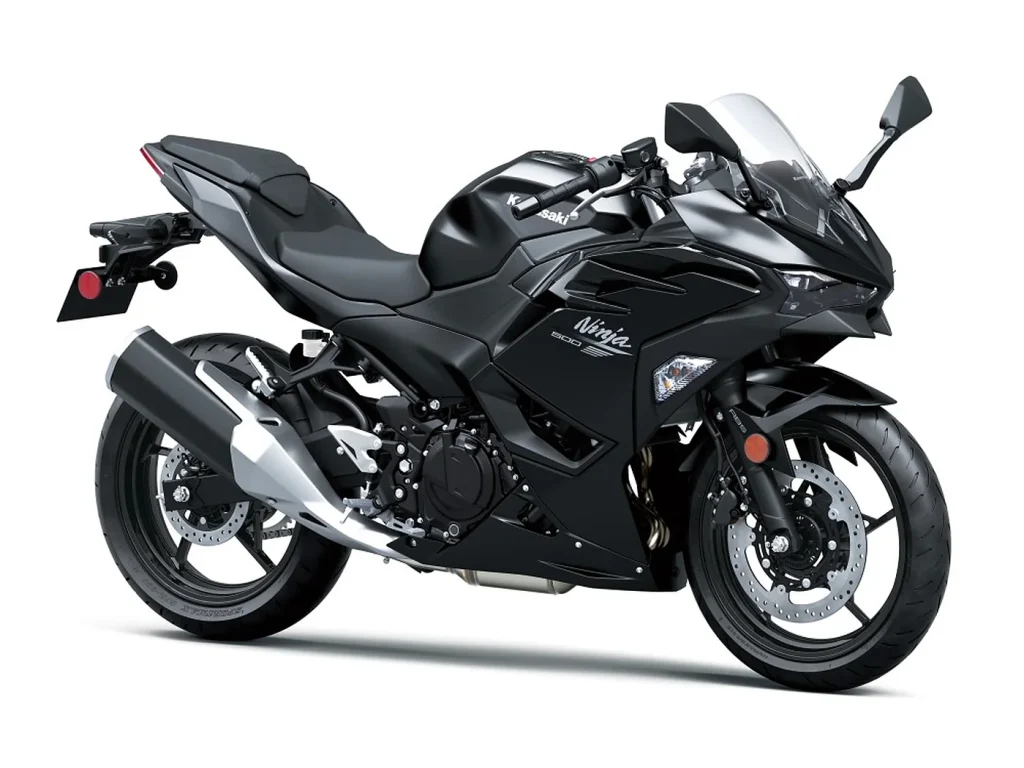
The Kawasaki Ninja 500 sits in an awkward, brilliant spot. It looks like a superbike, it costs less than a modest hatchback, and it runs a 451cc parallel twin that will happily do the N1 at 120 km/h and then crawl through Rivonia Road traffic without cooking your legs. For riders in South Africa moving up from a 125, or car drivers finally getting their Code A licence, this is one of the most sensible first big bikes on sale.
Here is what the 2026 model actually gives you, what it costs to run in rand, and where it loses ground to its rivals.
This is a research based review. The bike was not supplied by Kawasaki or a dealer. Specifications come from Kawasaki South Africa and Kawasaki USA, riding impressions from published road tests, and the running cost sums are our own at September 2026 fuel prices. Prices move, so confirm the figure with your dealer before you buy.
On this page
- What you need to know first
- What changed for 2026
- The 451cc engine in real conditions
- Chassis, brakes and how it rides
- Seat height and who fits
- What it costs to run in South Africa
- Licence requirements
- Ninja 500 versus the alternatives
- Buying used
- Full specifications
- Frequently asked questions
- The verdict
What you need to know first
Kawasaki South Africa lists the Ninja 500 at R124,995 in Metallic Spark Black, with pricing subject to change and colours subject to availability. That puts it directly against the CFMOTO 450SR S at R125,900 recommended retail, which is the single most important comparison in this segment right now.
The engine is a 451cc liquid cooled parallel twin. Kawasaki South Africa quotes 33.4 kW and 42.6 Nm. Kawasaki in the United States quotes 51 hp at 10,000 rpm and 31.7 lb ft at 7,500 rpm for the same machine. The difference comes down to homologation standards rather than two different engines, so treat the 33.4 kW figure as the one your licensing authority and insurer will care about, and expect the bike to feel like a strong 45 horsepower machine.
Seat height is 785 mm. Kerb weight is 171 kg with ABS. The tank holds 14 litres. You need a Code A licence to ride it legally, not a Code A1.
What changed for 2026
Not much mechanically, and that is fine. The Ninja 500 replaced the Ninja 400 in 2024 with a longer stroke version of the same basic twin, and Kawasaki has left the hardware alone since. For 2026 the range runs in three trims.
- Ninja 500 in standard form with no ABS.
- Ninja 500 ABS, which adds antilock braking front and rear.
- Ninja 500 SE ABS, which adds a full colour TFT dash, the KIPASS proximity keyless start system, a USB C charging outlet and a small accessory package.
Colours for 2026 include Lime Green, Metallic Flat Spark Black, Metallic Matte Twilight Blue with Candy Persimmon Red, and Metallic Yellowish Green with Ebony. South African dealers typically bring in a narrower colour range than the American catalogue shows, so confirm availability before you commit.
The practical point for South African buyers is this. The SE trim is a nice to have. ABS is not. Given what Gauteng road surfaces do in the first ten minutes of summer rain, pay the difference for antilock brakes and treat the TFT dash as optional.
The 451cc engine in real conditions
The jump from 399cc to 451cc was achieved by lengthening the stroke from 51.8 mm to 58.6 mm while keeping the 70 mm bore. Compression sits at 11.3 to 1 and fuelling runs through dual 32 mm throttle bodies.
That longer stroke matters more than the extra 52cc suggests. The Ninja 400 was a rev happy little thing that needed 9,000 rpm before it did anything interesting. The 500 pulls cleanly from 4,000 rpm, which changes how the bike behaves in traffic. You stop hunting for second gear at every robot. You can leave it in fourth through Sandton and still have enough roll on to close a gap.
On the highway the picture is good rather than heroic. At an indicated 120 km/h the motor sits around 6,500 rpm in sixth and feels unstressed. Overtaking a bakkie on a single carriageway needs one downshift and a bit of planning, not two downshifts and a prayer. Top speed lands near 185 km/h, which is academic on public roads but tells you the gearing is not choking the bike.
Altitude is the one thing nobody mentions in international reviews. Johannesburg sits at roughly 1,750 metres and naturally aspirated engines lose power up here. The Ninja 500 still feels adequate on the Highveld, but a rider coming from Durban to Joburg will notice the difference on a hard pull. Factor that into your expectations if you ride mostly inland.
The assist and slipper clutch is genuinely useful in stop start traffic. Lever effort is light enough that an hour in a Cape Town jam does not leave your left hand cramping, and the slipper function keeps the rear settled if you drop two gears in a hurry. It is a conventional cable clutch, though. If you want the lever taken out of the equation altogether, Honda now sells clutchless shifting technology on its rival CBR500R in some markets, and it is worth knowing what that does before you compare the two.
Chassis, brakes and how it rides
The frame is a high tensile steel trellis, the same design philosophy Kawasaki uses on the ZX range. Rake is 24.5 degrees with 92 mm of trail and a 1,375 mm wheelbase. Those numbers produce a bike that turns quickly without feeling nervous.
Suspension is basic. A 41 mm telescopic fork at the front with no adjustment, and a horizontal back link shock at the rear with preload adjustment only. On smooth tar it works well. On a badly patched suburban road at speed the front end runs out of damping and starts to feel busy. This is the clearest place where the 450SR S, with its adjustable front and fully adjustable rear, has a hardware advantage.
Braking is a single 310 mm front disc with a twin piston caliper and a 220 mm rear. One front disc on a 171 kg bike is enough for road riding. The lever has decent feel and the ABS calibration is not intrusive. If you plan on track days, this is the first component you will want to upgrade, starting with better pads and braided lines rather than a whole caliper.
Tyres are 110/70 R17 front and 150/60 R17 rear, which is a common enough fitment that replacement rubber is easy to find at any South African tyre shop.
Seat height, ergonomics and who actually fits
At 785 mm the seat is low for a sports bike. Riders around 1.65 m will get both feet down comfortably. Riders at 1.55 m will manage on the balls of both feet or flat on one.
The riding position is a compromise in the best sense. Clip on bars sit above the top yoke rather than below it, so your wrists carry less weight than the aggressive fairing suggests. Pegs are moderately rearset. An hour in the saddle is comfortable. Three hours will remind you it is a sports bike.
Pillion accommodation is tight but usable for short trips. If you carry a passenger daily, look at a different class of bike.
What it actually costs to run in South Africa
This is where the Ninja 500 earns its place on a commuter shortlist.
Expect real world fuel consumption around 4.0 litres per 100 km with mixed riding. Ride it gently and you will beat that. Ride it hard and you will see closer to 4.8.
At the September 2026 inland price of roughly R26.09 per litre for 95 unleaded, the numbers work out as follows.
- A full 14 litre tank costs about R365.
- Range on that tank is roughly 350 km before reserve.
- Fuel cost per kilometre is about R1.04.
- A 40 km round trip commute costs about R42 a day.
- Over 22 working days that is roughly R920 a month in petrol.
Compare that with a small petrol hatchback at 7.5 litres per 100 km, which costs about R1.96 per kilometre. The bike halves your fuel bill before you count what you save by not sitting in traffic.
Beyond fuel, budget for chain and sprocket replacement around every 25,000 to 30,000 km, a rear tyre every 8,000 to 12,000 km depending on how you ride, and services at the interval your dealer specifies in the service book. Ask for the full service schedule and the price of the valve clearance check before you sign, because that is the service that surprises people.
Insurance is the variable most riders underestimate. A 451cc sports bike in a high theft postcode will not be cheap, and some insurers load premiums on anything wearing a Ninja badge. Get three quotes before you finalise the purchase, not after.
Licence requirements in South Africa
South Africa runs two motorcycle licence codes. Code A1 covers motorcycles up to 125cc and is available from age 17. Code A covers any engine capacity and is available from age 18.
The Ninja 500 is 451cc, so a Code A1 licence does not cover it. You need a full Code A, which means passing a learner licence test, then a practical test on a motorcycle. If you currently hold only a Code A1, budget for the upgrade before you buy. Our guide to what a motorcycle licence costs in South Africa has the fees and the process.
This catches out a surprising number of buyers who assume a car licence covers a small bike. It does not. Riding without the correct code invalidates your insurance, which turns a minor accident into a financial disaster.
Ninja 500 versus the alternatives
CFMOTO 450SR S at around R125,900
The closest rival and the hardest call. The CFMOTO gives you 38 kW, Brembo brakes front and rear, a quickshifter, a TFT dash and adjustable suspension for roughly the same money. On paper it wins comfortably.
The Ninja wins on dealer network, resale value and parts availability. If you live in a smaller centre, count the number of Kawasaki dealers within 100 km, then count the CFMOTO dealers. That count decides the argument for a lot of buyers.
Honda CBR500R at 471cc
Smoother, arguably better finished, usually more expensive. The Honda is the choice if you value refinement and long term reliability reputation over outright sportiness. Both carry the same practical advantage of a large dealer footprint.
Yamaha R3 at 321cc
Lighter and sharper steering, but noticeably down on midrange. The R3 is more fun on a twisty road at legal speeds and more tiring on a highway commute. If your riding is mostly Chapman’s Peak and less mostly the M1, it deserves a look.
Used Kawasaki Ninja 400
A clean used 400 saves you real money and shares most of the Ninja 500 experience. You give up the midrange that makes the 500 easy to live with in traffic. For a first bike where you expect to drop it at least once, a used 400 is the smarter financial decision. For a bike you plan to keep for five years, buy the 500. Both turn up among the sports bikes for sale on Scooter125.
Buying used, what to check
The Ninja 500 has been on sale since 2024, so used examples are reaching the market now. Check these in order.
- Service history in the book with dealer stamps, not a folder of receipts.
- Chain and sprocket condition, because a worn set on a low mileage bike means it was ridden hard or neglected.
- Fairing tabs and bar end scuffs, which reveal a drop the seller forgot to mention.
- Frame sliders fitted from new, which usually signal a careful owner.
- Steering head bearings for notchiness, which is the common wear point on bikes used in heavy traffic.
- Outstanding finance on the vehicle, verified before any money changes hands.
Ask the seller directly whether the bike has ever been down. The answer matters less than how they answer it.
Full specifications
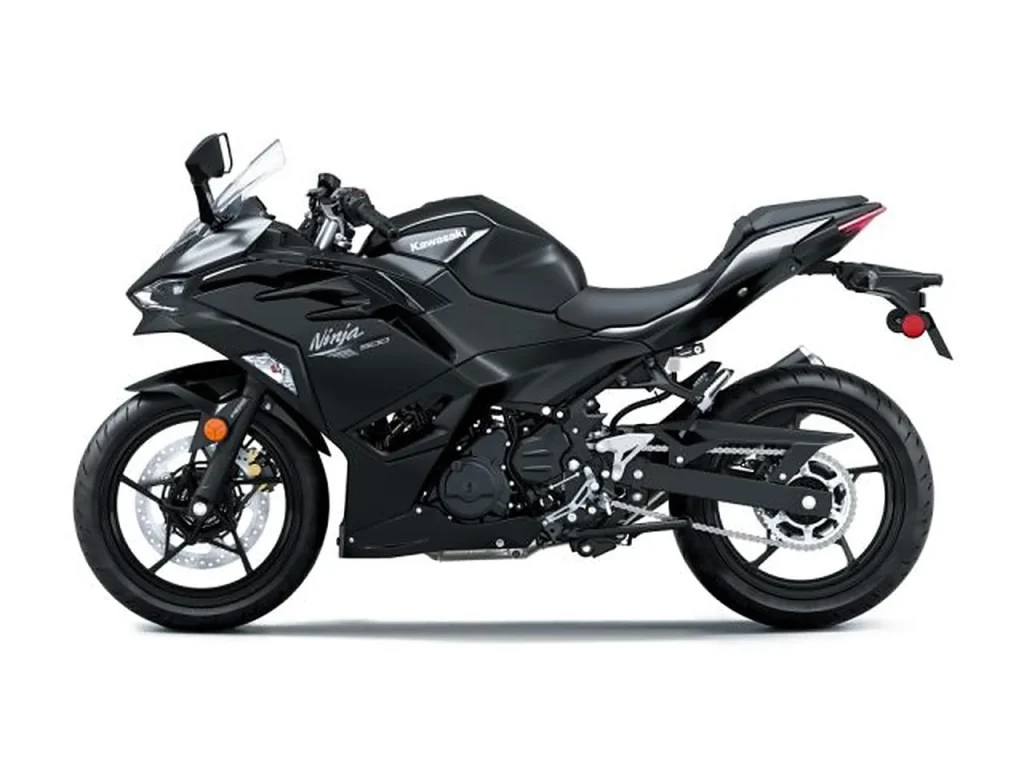
| Specification | Detail |
|---|---|
| Engine | 451cc, parallel twin, DOHC, liquid cooled |
| Bore and stroke | 70.0 mm by 58.6 mm |
| Compression ratio | 11.3 to 1 |
| Power | 33.4 kW (Kawasaki South Africa figure) |
| Torque | 42.6 Nm |
| Fuel system | DFI with dual 32 mm throttle bodies |
| Transmission | 6 speed, assist and slipper clutch |
| Frame | High tensile steel trellis |
| Front suspension | 41 mm telescopic fork, 120 mm travel |
| Rear suspension | Horizontal back link, adjustable preload, 130 mm travel |
| Front brake | Single 310 mm disc, twin piston caliper |
| Rear brake | Single 220 mm disc, single piston caliper |
| ABS | Standard on ABS and SE ABS trims |
| Front tyre | 110/70 R17 |
| Rear tyre | 150/60 R17 |
| Rake and trail | 24.5 degrees, 92 mm |
| Wheelbase | 1,375 mm |
| Seat height | 785 mm |
| Kerb weight | 171 kg with ABS |
| Fuel capacity | 14 litres |
| Claimed range | Around 350 km |
| South African price | From R124,995 |
Frequently asked questions
Is the Kawasaki Ninja 500 a good beginner bike?
Yes, with one condition. The power delivery is smooth, the seat is low and the clutch is light, which are the three things that matter most when you are learning. The condition is that 451cc will carry you to licence losing speeds without much drama, so the bike will not protect you from yourself. Take an advanced riding course in your first year.
What licence do I need to ride a Ninja 500 in South Africa?
A Code A licence. Code A1 only covers motorcycles up to 125cc, so it does not permit a 451cc machine. You must be at least 18 and pass both the learner licence test and a practical motorcycle test.
How much does a Kawasaki Ninja 500 cost in South Africa?
Kawasaki South Africa lists it from R124,995, with pricing subject to change. Dealer on the road costs, registration and licensing are usually additional, so ask for a full written quote.
What is the fuel consumption of the Ninja 500?
Around 4.0 litres per 100 km in mixed riding, which gives roughly 350 km from the 14 litre tank. Hard riding pushes that closer to 4.8 litres per 100 km.
Ninja 500 or Ninja 400, which should I buy?
Buy the 500 if you commute in traffic or ride highways regularly, because the extra midrange makes it easier to live with. Buy a used 400 if you are on a tight budget, expect to drop your first bike, or ride mostly on twisty roads where the extra torque matters less.
Is the Ninja 500 SE worth the extra money?
Only if you want the TFT dash and keyless start. The SE adds no performance. Spend the difference on riding gear and a proper set of tyres instead, and make sure whichever trim you choose has ABS.
What is the top speed of the Kawasaki Ninja 500?
Around 185 km/h, which is well beyond any legal South African speed limit. The more useful number is that it cruises at 120 km/h at roughly 6,500 rpm without strain.
The verdict
The Ninja 500 is not the fastest or best equipped bike in its class. The CFMOTO undercuts it on hardware and the Honda beats it on refinement. What the Kawasaki does better than anything else under 500cc in South Africa is combine a genuinely easy engine, a low seat, a nationwide dealer network and resale value that holds up.
For a first big bike, a daily commuter, or a second bike that does not need a garage full of tools, it is the safe choice. That is not faint praise. Safe choices are exactly what you want when you are three months into riding and still learning what a wet manhole cover does to a front tyre.
Buy the ABS version. Budget for gear. Get the licence sorted first. Then see what dealers and private sellers are asking for Kawasaki bikes for sale on Scooter125.
Sources referenced
- Kawasaki Motors Corporation USA, 2026 Ninja 500 model page and specification sheet
- Kawasaki South Africa, Ninja 500 product page and pricing
- Cycle World, 2024 Kawasaki Ninja 500 first ride review
- ZA Bikers, CFMOTO 450SR S buyers guide and pricing
- AutoTrader South Africa, September 2026 fuel price update
- Find a Driving School, South African motorcycle licence codes A1 and A
- Total Motorcycle, 2026 Kawasaki Ninja 500 model range and trims