Kawasaki Ninja 1000 SX Review: The Sports Tourer, Used Buying Guide and South African Price
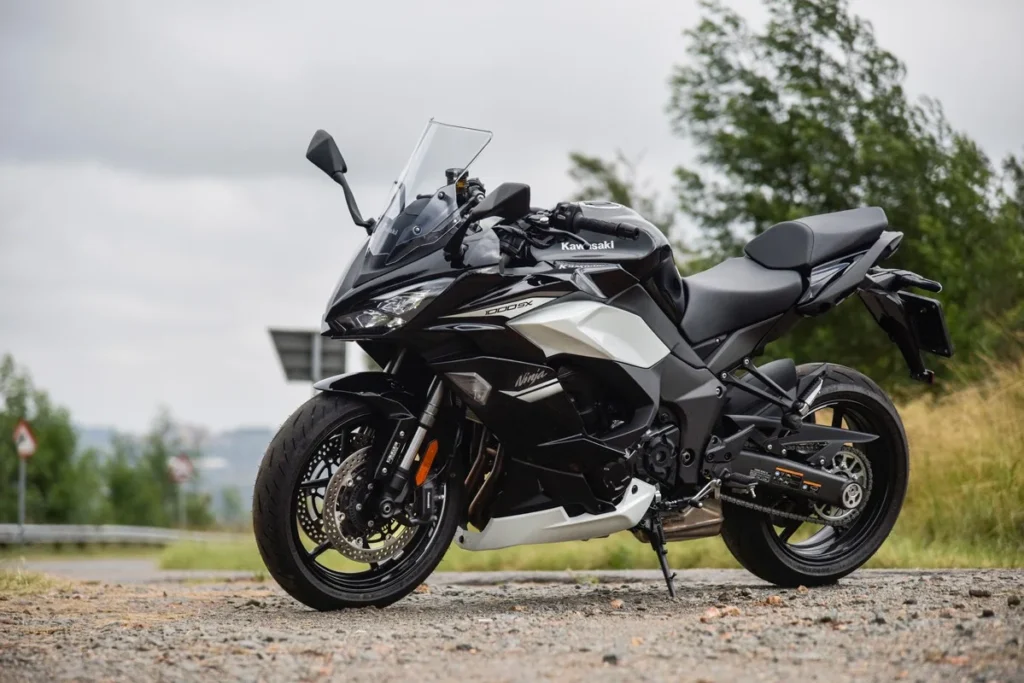
The Kawasaki Ninja 1000 SX is the sports tourer that a lot of riders end up wishing every big bike was. It has a smooth 1,043cc four-cylinder making 104.5 kW, a comfortable, upright riding position behind a proper fairing, cruise control, a two-way quickshifter, cornering ABS and traction control, and a 19 litre tank. It weighs 235 kg fuelled. Kawasaki South Africa’s own tester called it the thinking man’s Ninja.
It is also no longer sold new. For 2025 Kawasaki replaced it with the Ninja 1100 SX, which Kawasaki Motors South Africa now lists at R299,995. That makes the 1000 SX, built from 2020 to 2024 in this form, a used buy here, and a very interesting one: when Kawasaki South Africa tested it in 2022 it cost R229,995. This review covers what the 1000 SX is, how it rides, what owners found after thousands of kilometres, what to check when buying one second hand, and whether the newer 1100 SX is worth the extra money.
This is a research based review. Scooter125 has not ridden the Ninja 1000 SX and the bike was not supplied by Kawasaki or a dealer. Specifications come from Kawasaki, Kawasaki Motors South Africa and Motorcycle Specs. Riding impressions come from Kawasaki South Africa’s own road test, Rider Magazine, RevZilla, Bennetts BikeSocial, Australian Motorcycle News and Motorcycle News, and ownership experience from Boy Meets Bike’s two-bike ownership report and the kawasakininja1000.com owners’ forum. South African prices are from Kawasaki Motors South Africa, BMW Motorrad South Africa, ZA Bikers and dealer listings in October 2026. The used price range and the running cost sums are our own estimates, at the October 2026 fuel price.
What you need to know first
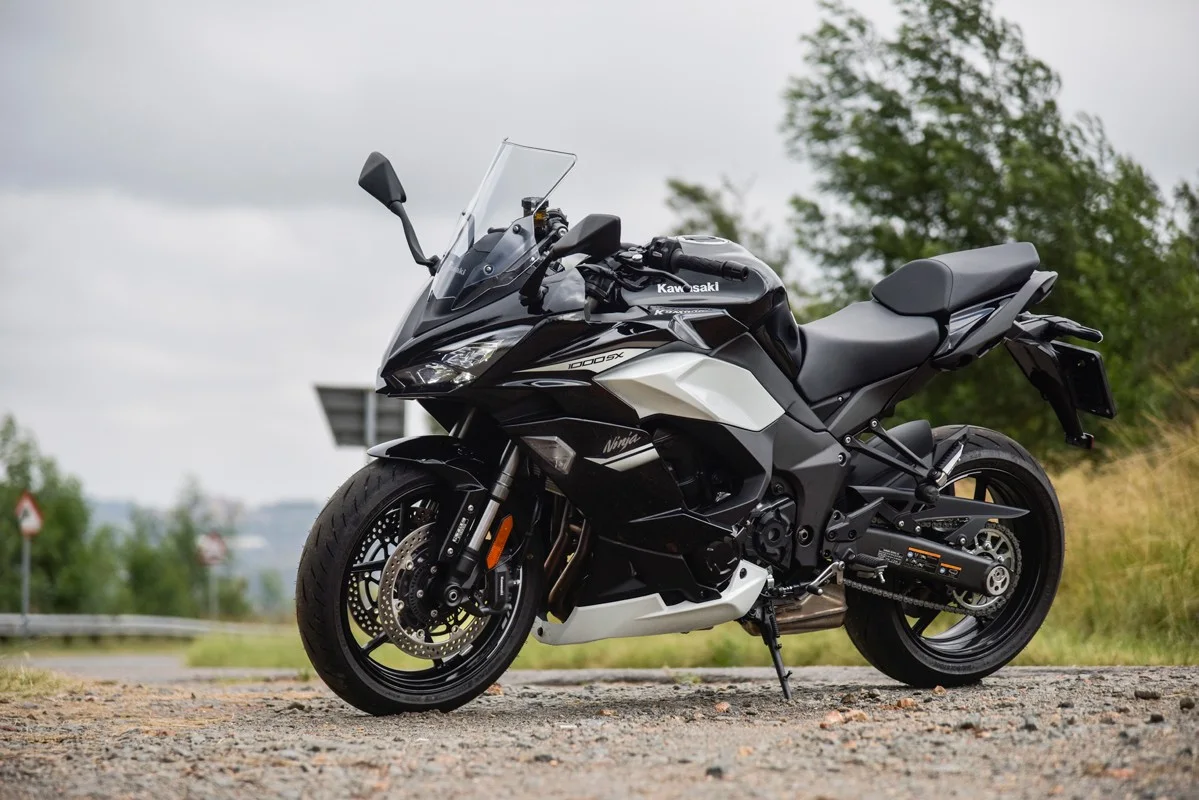
The 2020 to 2024 Ninja 1000 SX uses a liquid-cooled, 16-valve, 1,043cc inline four making 104.5 kW (142 PS) at 10,000 rpm and 111 Nm at 8,000 rpm, with ride-by-wire throttle, a six-speed gearbox, an assist and slipper clutch, an up and down quickshifter and chain drive. The frame is twin-tube aluminium, the 41 mm upside-down fork is fully adjustable, and the shock has a remote preload adjuster. Brakes are twin 300 mm discs with radial monobloc four-piston calipers and cornering ABS. It weighs 235 kg ready to ride, the seat is 835 mm high and the tank holds 19 litres.
Standard equipment is generous: four riding modes, three-mode traction control and cornering management from an inertial measurement unit (IMU), electronic cruise control, a 4.3 inch colour TFT screen with Bluetooth, full LED lighting, a four-position screen and mounts for Kawasaki’s clip-on panniers.
The testers broadly agree. Kawasaki South Africa found the engine smooth and strong and the chassis composed, and called it a sports tourer with very little compromise. Motorcycle News gave it four out of five and its owners rated it 4.4. Rider Magazine called it one of the best values in the class. The recurring complaints are a small windscreen that sends turbulent air at the rider’s head, no centre stand, panniers and a top box that cannot be fitted at the same time, a quickshifter that is clunky at low revs, and indicators that do not cancel themselves.
In South Africa the Ninja 1000 SX was R229,995 new in 2022. Its replacement, the Ninja 1100 SX, is R299,995. We found no used 1000 SX advertised on AutoTrader or Gumtree in October 2026, so expect to hunt for one. Our estimate of a fair used price is R140,000 to R200,000, depending on age, kilometres and luggage.
From Z1000SX to Ninja 1000 SX to 1100 SX
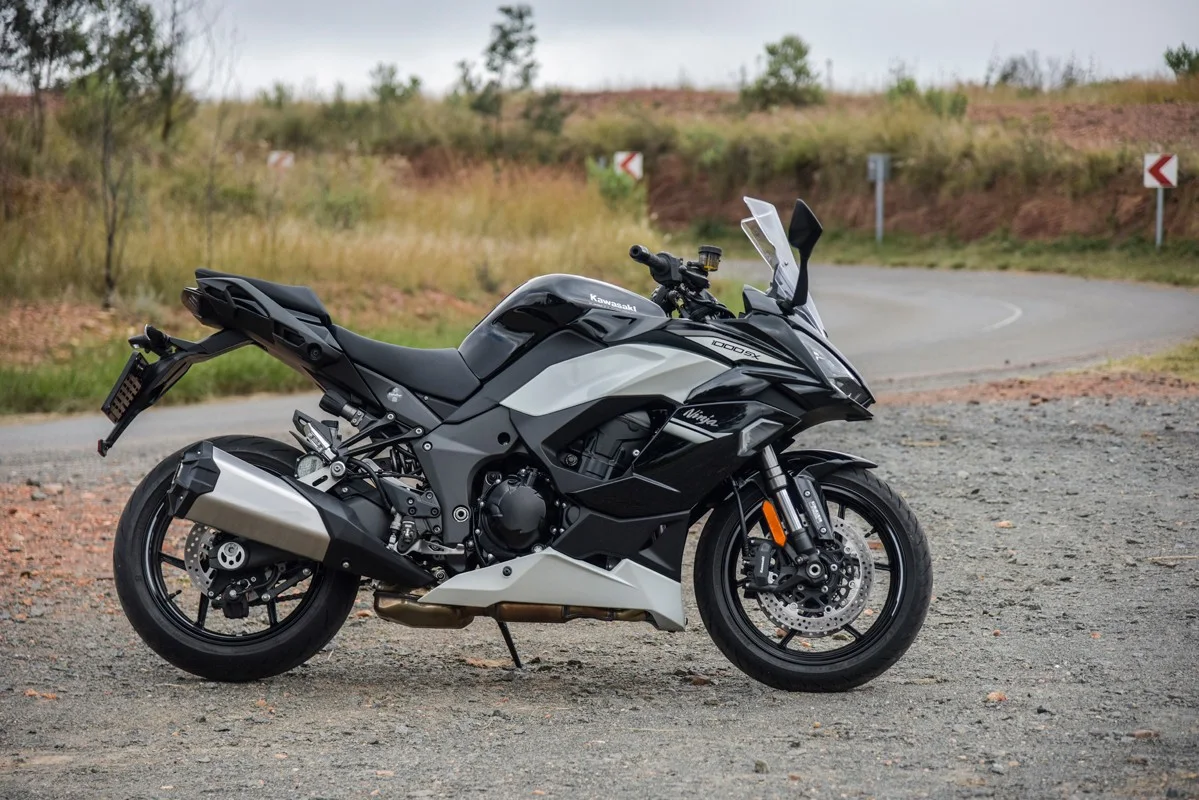
Kawasaki launched the bike in 2011 as the Z1000SX in Europe and the Ninja 1000 in other markets. It was the Z1000 naked bike with a full fairing, an adjustable windscreen, a bigger tank and higher bars. The 2014 update added three-mode traction control and two power modes, with ABS still an option. The 2017 version brought a wider fairing, a taller screen, LED headlights and an IMU that made the ABS and traction control work in corners, with ABS now standard.
The biggest change came for 2020, when the bike took the Ninja 1000 SX name in every market. Rider Magazine and RevZilla listed the changes:
- Ride-by-wire throttle, which made the cruise control and four riding modes possible.
- An up and down quickshifter as standard.
- A 4.3 inch colour TFT screen with Bluetooth connection to Kawasaki’s Rideology app.
- A single Euro 5 silencer in place of the old twin mufflers, with new camshaft profiles to quieten the valve train.
- New bodywork with integrated indicators and a four-position screen, and taller seats with denser foam.
- Sharper steering geometry, with trail cut to 98 mm, bleed ports in the fork’s damping circuits, Bridgestone S22 tyres, and round discs in place of the earlier wave rotors.
That 2020 specification ran until the end of 2024. For 2025 Kawasaki lengthened the stroke to make 1,099cc and renamed it the Ninja 1100 SX, the bike Kawasaki South Africa now sells. We cover what changed, and whether it is worth the extra, further down.
This matters if you are shopping second hand. A 2017 to 2019 bike looks similar but has no quickshifter, no cruise control and no TFT screen, so check the year. The bike in our photographs is the 2020 to 2024 model.
The 1,043cc four
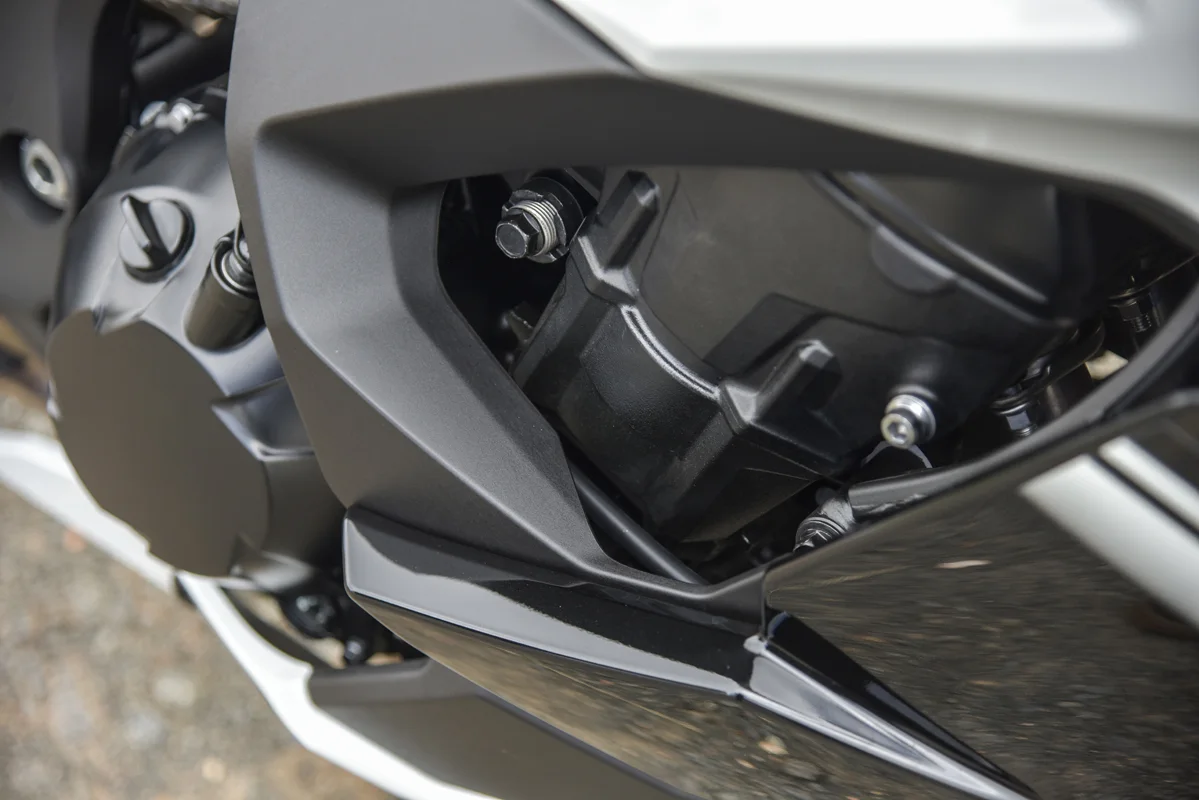
The engine is a liquid-cooled, double overhead camshaft inline four with a 77.0 mm bore, a 56.0 mm stroke, an 11.8:1 compression ratio and four 38 mm throttle bodies. Kawasaki quotes 104.5 kW (142 PS) at 10,000 rpm and 111 Nm at 8,000 rpm. Rider Magazine put a 2020 bike on a dyno and measured 92.7 kW (124.3 hp) at 9,500 rpm and 102 Nm at 8,000 rpm at the rear wheel, which is in line with the usual losses through the gearbox and chain.
The numbers matter less than the way it delivers them. Every test describes the same thing: strong pull from low revs, a big midrange and a smooth run to the top, with no steps or surges. Kawasaki South Africa’s Dave Cilliers called the delivery wide, seamless and very smooth. Rider found it strong at the bottom, in the middle and at the top. Boy Meets Bike’s Nicholas Tasker noted how quietly and deceptively it gathers speed, which is easy to underestimate on an open road.
That refinement is also the main complaint from riders who want character. Tasker, who came from a Triumph Street Triple, missed the noise, and found that even the Akrapovič silencer in Kawasaki’s Performance pack was no louder than standard. Australian Motorcycle News, on the other hand, enjoyed the induction roar from the airbox.
There is some vibration. An owner on the kawasakininja1000.com forum, coming from a Honda VFR, felt a buzz through the pegs, seat and bars from about 4,000 rpm, roughly highway speed in top gear, and found the mirrors blurred at 100 km/h. Other owners in the same thread put the noticeable buzz higher, from about 5,000 to 6,500 rpm, and said a gel grip or heavier bar ends helps. Australian Motorcycle News also noted vibration through the footpegs.
At altitude the engine loses about 15 percent of its power, so on the Highveld expect roughly 89 kW. On a bike with this much midrange torque you will rarely notice.
Chassis, suspension and brakes
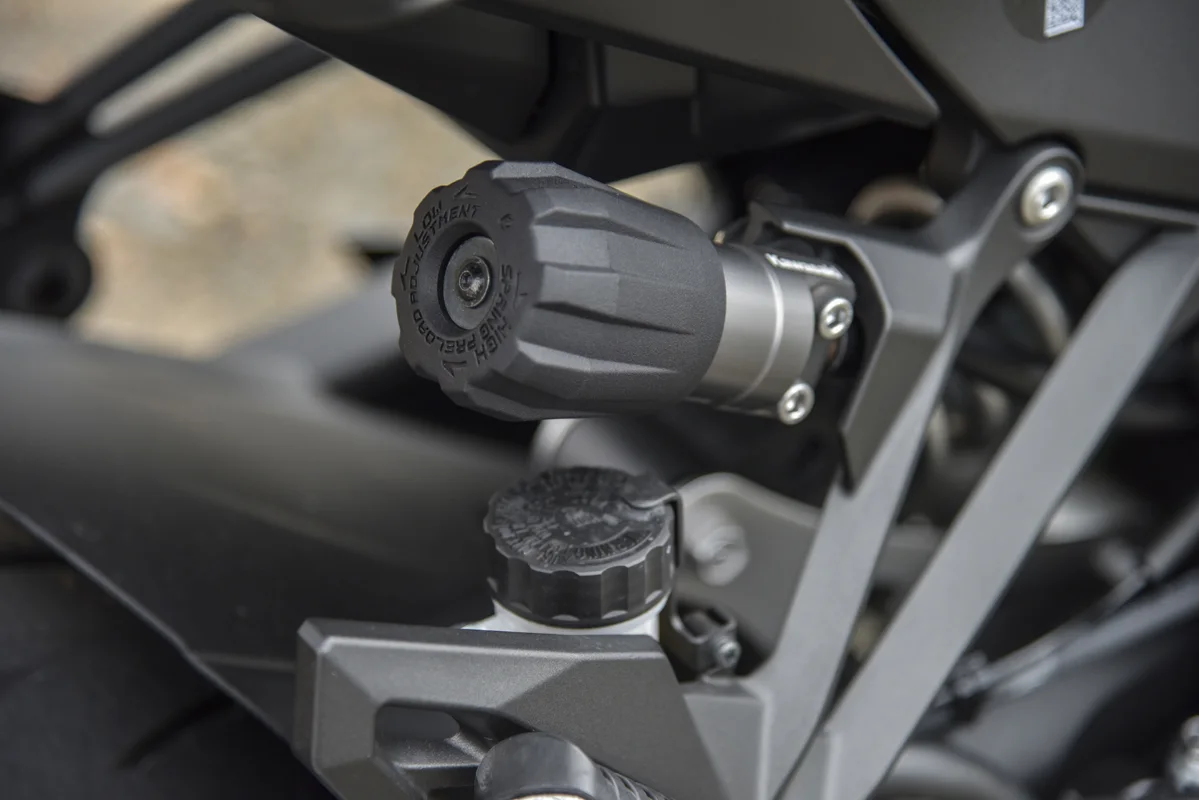
The frame is twin-tube aluminium, with a 1,440 mm wheelbase, 24 degrees of rake and 98 mm of trail. The 41 mm upside-down fork has 120 mm of travel and adjustable compression damping, rebound damping and preload. The rear shock works through a horizontal back-link, with 144 mm of travel, adjustable rebound and a remote preload knob on the right side of the bike, so you can firm it up for a passenger or luggage without tools.
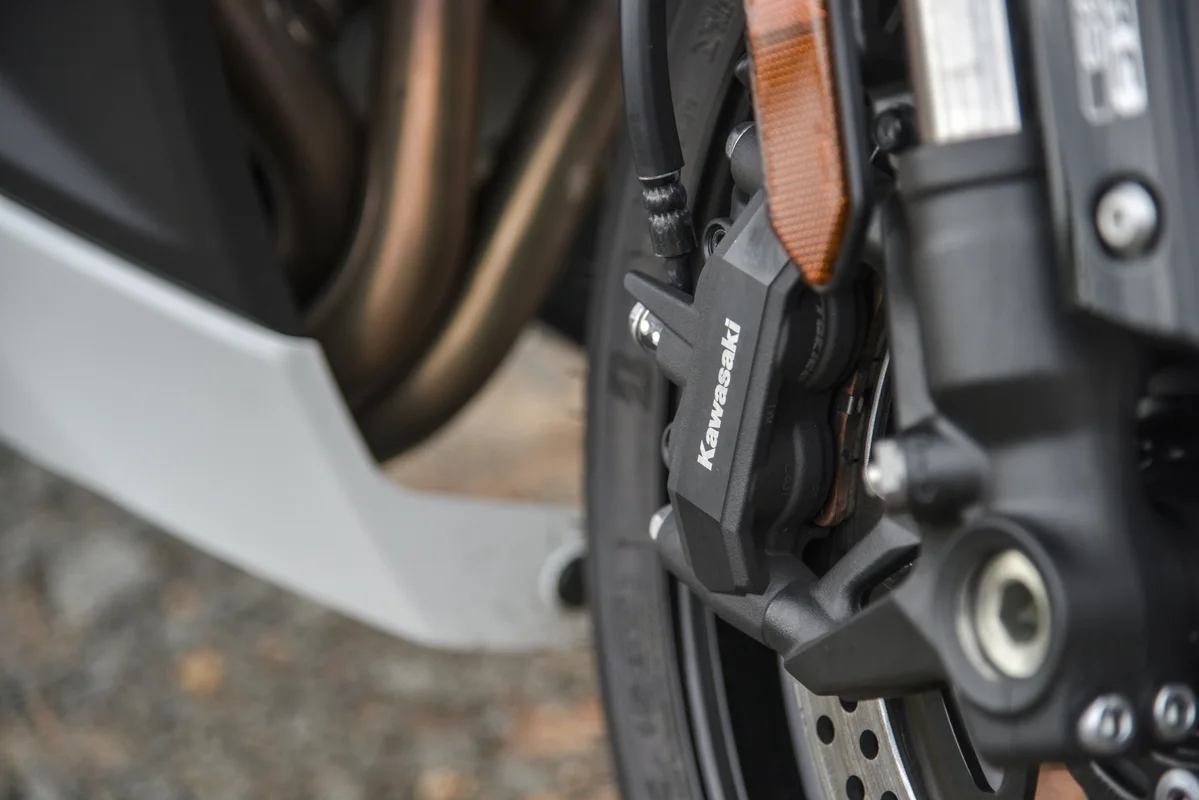
The front brakes are twin 300 mm discs with radial-mount, monobloc four-piston calipers and a radial master cylinder. At the back is a 250 mm disc with a single-piston caliper. Cornering ABS, which Kawasaki calls KIBS, is standard. The 17 inch wheels wear a 120/70 front and a 190/50 rear, originally Bridgestone Battlax Hypersport S22s.
Testers praised both halves. Kawasaki South Africa found the suspension composed and comfortable and the steering precise, and noted that adding preload at the rear steepened the steering slightly and made it turn more quickly. Australian Motorcycle News had the same experience: once the rear preload suited the rider’s weight, the front gave much more feedback. Every test called the brakes strong.
How it rides
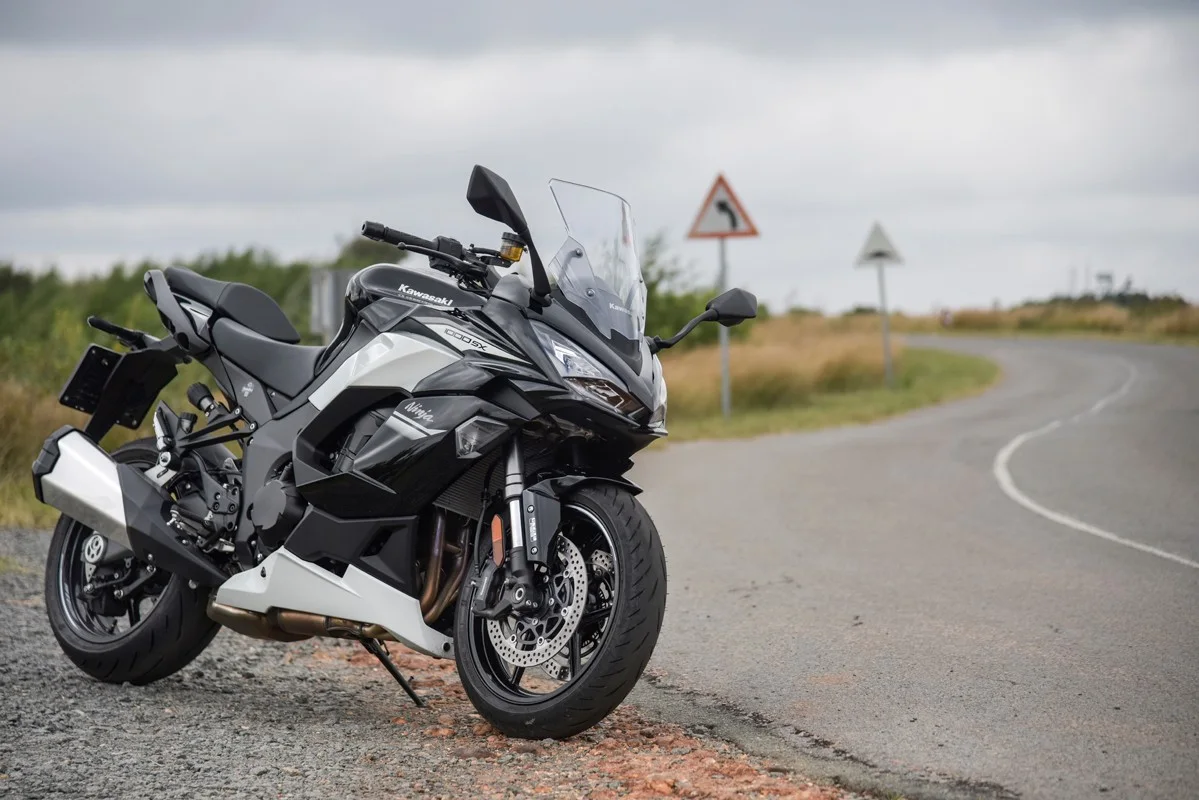
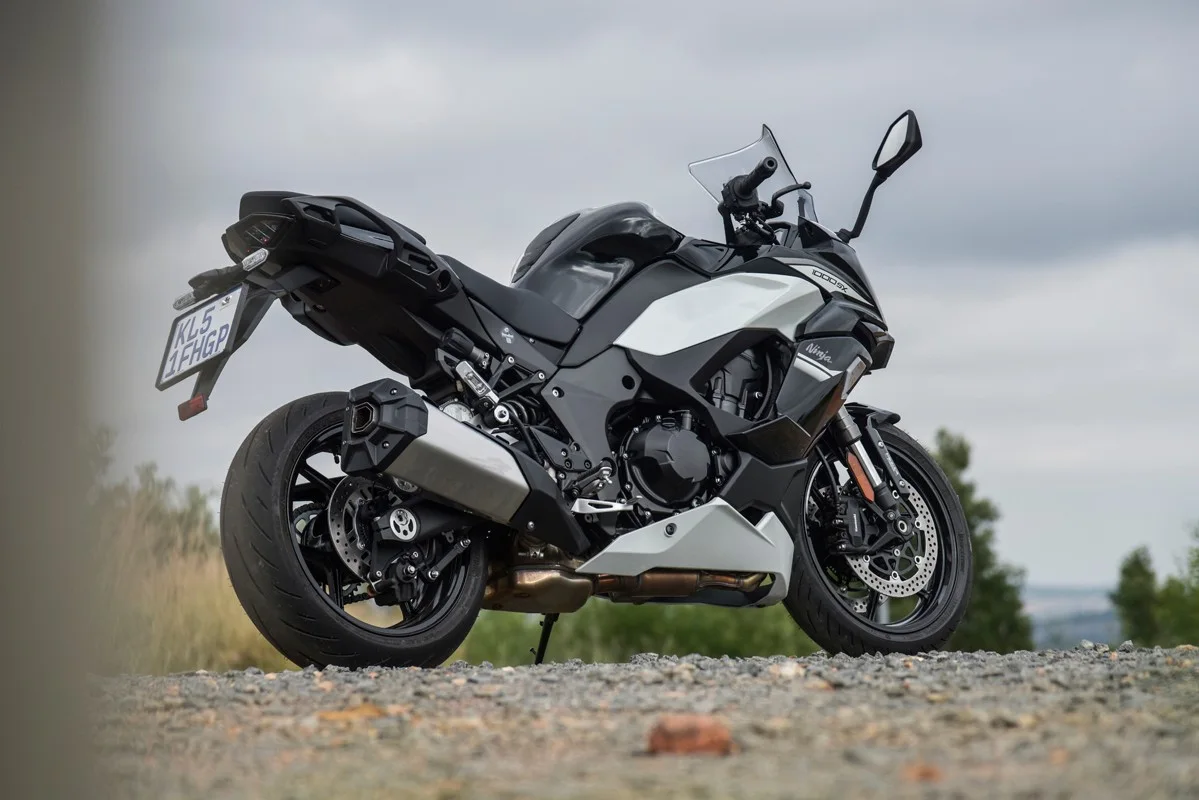
The 2020 changes to the steering geometry and tyres made a clear difference, according to the testers who rode both. Motorcycle News singled out the sharper, more accurate steering compared with the old Z1000SX, which was heavy at low speed. Bennetts BikeSocial’s Steve Rose, at the launch in Spain, found it confident and easy to steer at all speeds. The forum owner coming from a VFR called the low-speed handling brilliant and the throttle silky, and reached 47 degrees of lean without trying.
It is still a 235 kg bike, and it feels like one when you hustle it. Tasker found it heavy in tight corners compared with his 180 kg Street Triple, and less precise at high speed than a lighter bike. Australian Motorcycle News found it needed a firm push to start a turn. Rider warned that the soft shock can feel overwhelmed if you ride very hard. The consensus is that this is a sports bike with a sensible side, as RevZilla’s Ari Henning put it, not a road-going superbike: it rewards smooth, fast riding more than aggression.
On the open road it is in its element. Henning rode about 270 km in one sitting on his California test and found it relaxed and quick on the highway. Kawasaki South Africa found the long tank and cruise control made long distances easy.
Electronics, quickshifter and cruise control
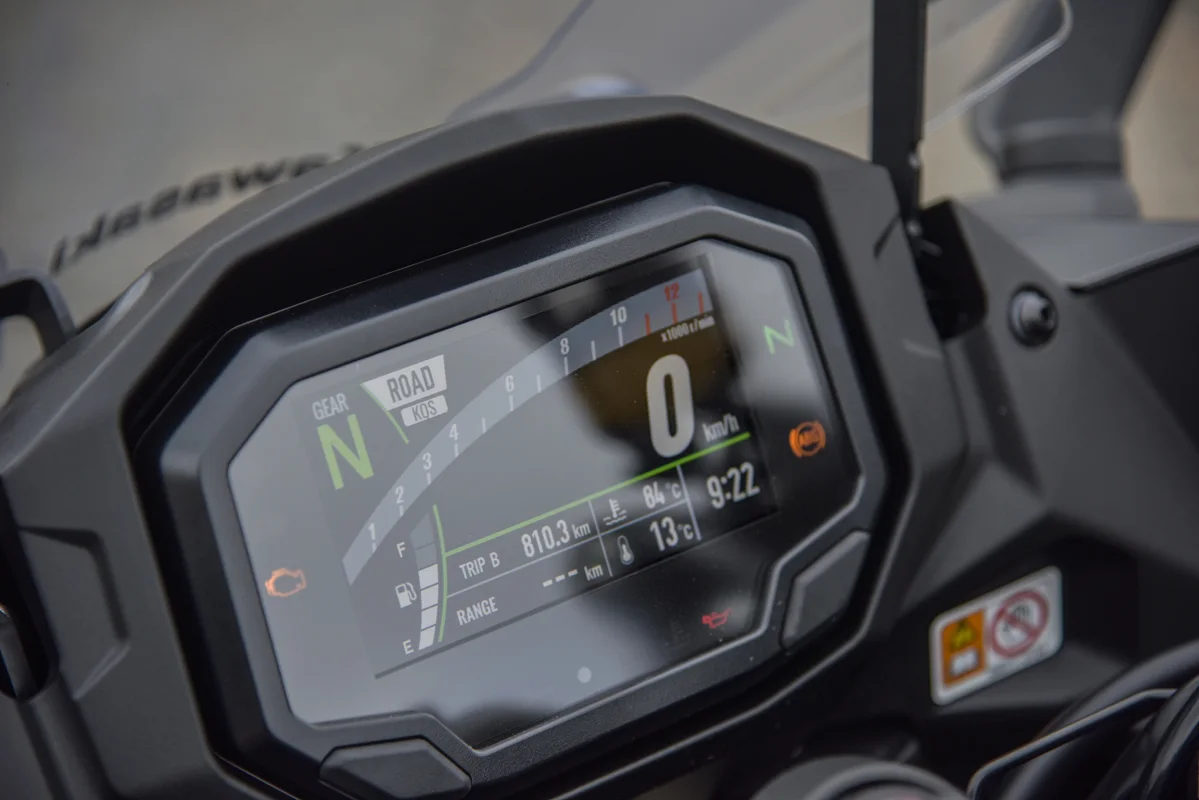
An IMU feeds the electronics. Traction control (KTRC) has three modes and was described by RevZilla as smooth and unobtrusive. Kawasaki Cornering Management Function (KCMF) adjusts the ABS and traction control for lean angle. There are four riding modes: Sport, Road and Rain, plus a Rider mode you set yourself. Sport and Road both give full power; Rain cuts it noticeably.
The criticisms of the electronics are consistent across tests:
- You cannot change riding mode with the throttle open, so switching on the move means rolling off and waiting, which Rider and RevZilla both disliked.
- The ABS cannot be switched off and intervenes early under very hard braking or trail braking into corners, according to Rider and RevZilla. Bennetts felt slight rear ABS pulsing on hard braking into off-camber hairpins.
- The Rideology app only connects with the bike in neutral, which annoyed the forum owner.
- There is no tyre pressure monitoring, no electronic suspension, no cornering lights and no keyless ignition.
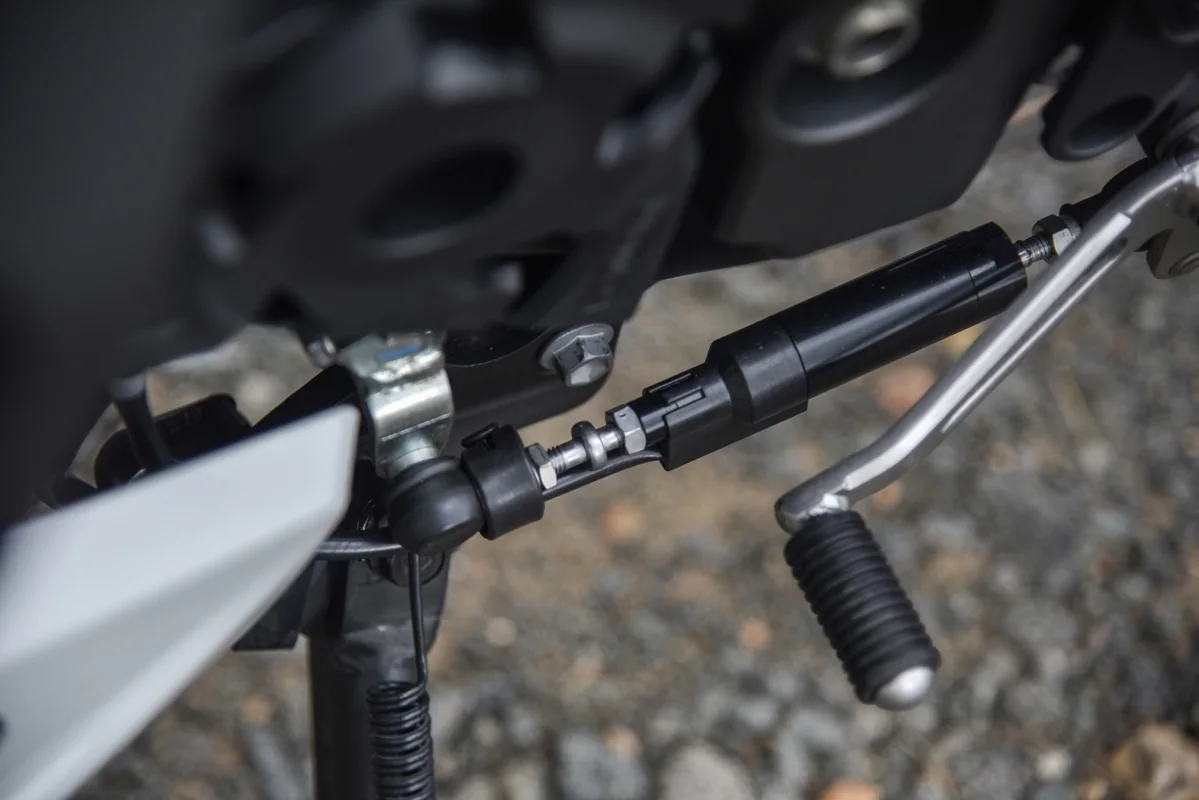
The quickshifter works on upshifts and downshifts without the clutch. Australian Motorcycle News called it one of the best it had used, and Tasker found it genuinely useful at any speed. Others found it less polished at low revs: Bennetts called it clunky at low revs in high gears, Rider found the auto-blip could lurch at low rpm, and Tasker eventually went back to using the clutch for downshifts. The forum owner noted that it is switched off by default, so check the settings on a test ride.
Cruise control is electronic and works well. RevZilla’s US test bike would only hold up to 85 mph, about 137 km/h, which is above South Africa’s national limit and will not trouble you here. The 4.3 inch TFT screen shows the gear, riding mode, quickshifter status and an economy indicator. Tasker found it small and the trip and settings menus fiddly. The indicators do not cancel themselves, which Kawasaki South Africa’s tester said should be standard on any motorcycle.
Comfort, wind protection and luggage
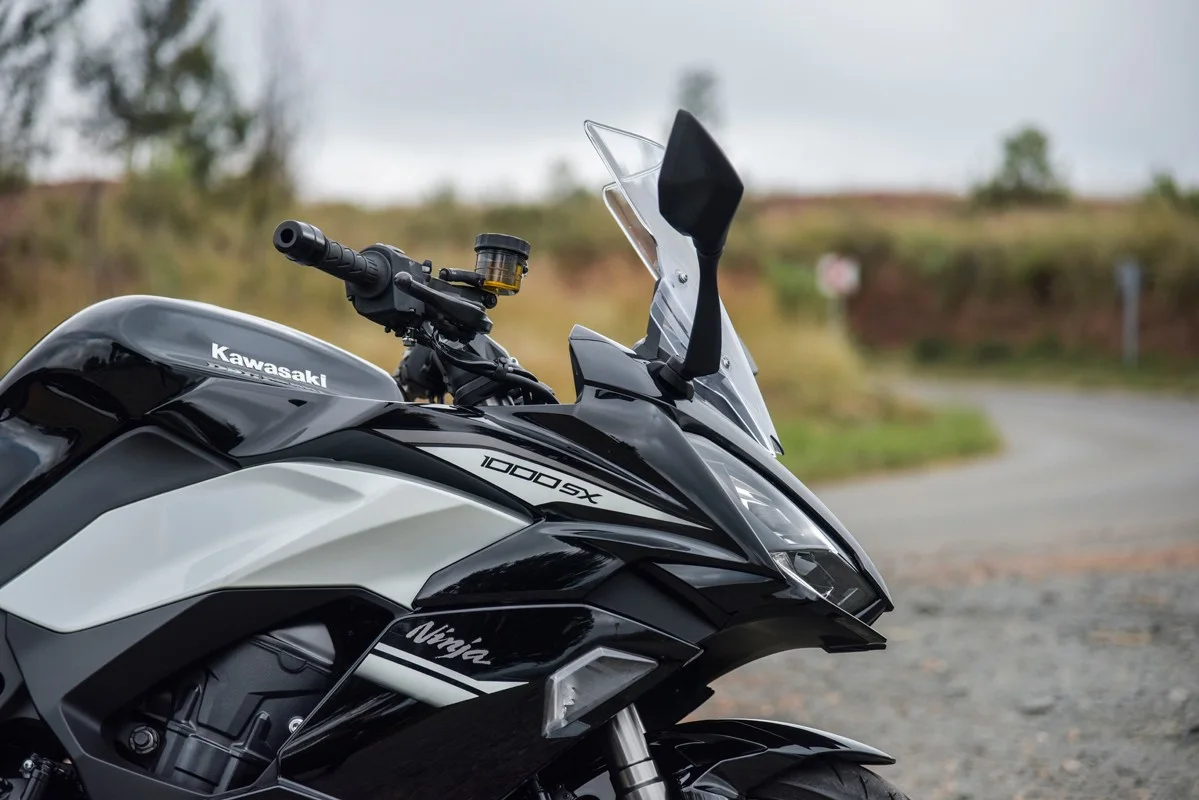
The riding position is fairly upright. Rider described raised bars that suit both twisty roads and the freeway, and Kawasaki South Africa called it sporty but relaxed and found it comfortable for a passenger. The seat is 835 mm high, and Bennetts noted that Kawasaki’s optional middle seat is 15 mm lower. Australian Motorcycle News’ 186 cm tester found the legroom tight.
The seat divides opinion. Bennetts and Kawasaki South Africa were happy on long days. Australian Motorcycle News found it became uncomfortable after about an hour, and Tasker’s went numb after 30 to 45 minutes, so he had a custom seat made.
The windscreen is the most common complaint. It has four positions, adjusted by hand, and the release is awkward to reach while riding. Rider found buffeting in most positions, RevZilla called the standard screen too small for highway speeds, and Bennetts found the adjustment made little difference with wind still reaching the rider’s head and neck. The taller touring screen helps but Tasker found it noisy. If you are buying used, a bike already fitted with the touring screen is worth more to you.
Kawasaki’s clip-on panniers hold 28 litres each and mount cleanly without a separate frame. Kawasaki South Africa listed a larger screen, a 47 litre top case, hard side cases, a tank bag, a GPS mount, a USB kit and heated grips as accessories. The catch is that Kawasaki does not allow panniers and a top box at the same time, which Bennetts reported was for stability at high speed. There is no centre stand, and Kawasaki never offered one, because the exhaust collector sits where it would go.
What owners found
Road tests last a few days. Boy Meets Bike’s Nicholas Tasker sold his Street Triple and bought two leftover 2020 Ninja 1000 SX Performance Tourers, one for himself and one for his partner, and reported back after about 3,200 km. His verdict was that it is an excellent motorcycle for everything from short blasts to day-long trips, and that his road test impressions held up. He also found:
- Fuel use averaged better than 50 UK mpg in mixed riding, about 5.6 litres per 100 km, for more than 320 km between fills. He got more than 20 litres into the 19 litre tank.
- The distance-to-empty reading was unreliable, showing more than 160 km left on a quarter tank.
- The standard Bridgestone S22 tyres felt doubtful in cold and wet conditions and wore quickly.
- He had the suspension revalved by a specialist, suspecting he was 20 to 30 kg lighter than the rider Kawasaki sets it up for.
- With no centre stand, chain cleaning needs a paddock stand and swingarm bobbins.
Motorcycle News’ owner reviews average 4.4 out of five, with the engine and equipment rated highest and value lowest. Most praise the build quality, paint and finish and report no problems over thousands of miles. A few report rear shock concerns, and one or two report early failures, including a main bearing failure at about 2,100 km that needed an engine rebuild. Those are isolated reports rather than a known pattern, but they are a good reason to buy with a full service history.
On the forum, one owner of a 2019 bike recorded 20.6 km per litre, about 4.9 litres per 100 km, over 1,225 km, and put a realistic range at 360 to 390 km. Several owners recommend a 190/55 rear tyre in place of the standard 190/50, which they say makes the steering feel more neutral.
Buying a used Ninja 1000 SX
The 1000 SX is not a common bike in South Africa, and we found none advertised on AutoTrader or Gumtree in October 2026. Ask Kawasaki dealers, who see them come back as trade-ins, and widen the search to the 2017 to 2019 bike if you can live without the quickshifter, cruise control and TFT screen. Things to check:
- The year. Only 2020 to 2024 bikes have the quickshifter, cruise control, TFT screen and ride-by-wire throttle.
- Service history. Check the service book against Kawasaki’s schedule, and ask whether the valve clearances have been checked. Boy Meets Bike was quoted a valve check every 26,000 miles, about 42,000 km, at extra cost because the engine is hard to get at.
- The rear shock. Look for oil on the shock body and bounce the rear. Some owners reported shock concerns, and it works hard with a passenger and luggage.
- Tyres, chain and sprockets. The bike has a lot of torque and the standard S22s wear quickly, so budget for replacements if they are near the end.
- Crash damage. Check the fairing, the bar ends, the footpeg hangers and the frame for scrapes and cracks. In Britain, frame sliders came with Kawasaki’s Performance pack.
- Accessories. Panniers, the touring screen, heated grips and a comfort seat add real value. Remember panniers and a top box are not meant to be fitted together.
- Electronics. On the test ride, check the quickshifter works both ways, the cruise control engages and resumes, and the TFT screen pairs with the Rideology app.
Browse used motorbikes for sale on Scooter125 for what is on offer now.
Ninja 1000 SX or the new 1100 SX?
For 2025 Kawasaki lengthened the stroke by 3 mm, to 59 mm, which took the engine to 1,099cc. Motorcycle.com and Kawasaki list the changes:
- More torque lower down: 113 Nm at 7,600 rpm, against 111 Nm at 8,000 rpm. Peak power falls slightly, to about 100 kW at 9,000 rpm in Kawasaki South Africa’s figures, against 104.5 kW at 10,000 rpm.
- New camshaft profiles, a narrower intake port and a new flywheel.
- Longer fifth and sixth gears, for lower revs on the highway.
- A quickshifter that works from 1,500 rpm instead of 2,500 rpm, which addresses the most common criticism of the 1000.
- Heavier bar and bar-end weights to reduce vibration, and a USB-C socket on the left handlebar.
- A 260 mm rear disc in place of the 250 mm one. The rest of the chassis, the electronics and the 4.3 inch TFT screen are unchanged.
- An SE version with Brembo M4.32 front calipers and an Öhlins S46 shock, which Kawasaki South Africa does not list.
Kawasaki Motors South Africa sells the standard 1100 SX in Metallic Carbon Gray at R299,995, with a claimed 235 kg, 19 litre tank, 835 mm seat and 5.6 litres per 100 km. In the United States the 1100 SX launched at the same price as the 1000 SX it replaced. In South Africa the gap between the R229,995 the 1000 SX cost in 2022 and the R299,995 the 1100 SX costs now is R70,000.
So is it worth it? The 1100 SX addresses two of the things owners mention most, the low-rev quickshifter and the vibration at highway speeds, and adds a new-bike warranty. It does not change the windscreen, the seat, the lack of a centre stand or the pannier and top box rule. If you can find a well-kept 2020 to 2024 bike for R150,000 to R200,000, you get almost all of the 1100’s ability for R100,000 or more less. If you want a warranty and the smoother highway gearing, buy the new one.
Price in South Africa
Kawasaki Motors South Africa no longer lists the Ninja 1000 SX. When Kawasaki South Africa tested it in April 2022 it cost R229,995, and a Cape Town dealer listing on Bikes4Sale gave the same price for a 2023 bike. Its replacement, the Ninja 1100 SX, is R299,995.
With no used examples advertised on the main classified sites when we checked, there is no South African market price to quote. Our estimate is R140,000 to R200,000: towards the bottom for a high-kilometre 2020 bike without luggage, and towards the top for a low-kilometre 2023 or 2024 bike with panniers and the touring screen. That is our own estimate, based on the R229,995 new price and on used prices in Britain, where Motorcycle News puts them at £6,600 to £12,000 against a last new price of £12,349. A 2017 to 2019 bike should cost less again.
What it costs to run
Petrol is at a record. The October 2026 adjustment took inland 95 unleaded to about R30 a litre.
Measured figures vary with riding style. Kawasaki South Africa recorded about 4.5 litres per 100 km in town, Tasker about 5.6 in mixed riding, and Rider about 6.3 on its US test. Kawasaki South Africa claims 5.6 for the 1100 SX. For mixed riding we have used 6.0 litres per 100 km.
- A full 19 litre tank costs about R570.
- Range is roughly 315 km, and more at a relaxed pace.
- Fuel costs about R1.80 a kilometre.
- A 40 km round-trip commute costs about R72 a day, or roughly R1,580 over 22 working days.
A 1,043cc sports tourer is not cheap to maintain. Tasker paid £400 to £600 a service in Britain, with the valve check extra. Tyres are 190 section sports-touring rubber, and the chain and sprockets wear faster on a torquey four. Insurance is worth quoting before you buy; owners in Britain found it higher than they expected for the class.
Licence requirements
The Ninja 1000 SX needs a full Code A motorcycle licence, available from the age of 18 after a learner’s licence and a driving test. South Africa has no restricted category for newer riders. With 104.5 kW and 235 kg it is a big step from a 300 or 400, so most riders will be better off coming to it from a middleweight. Our guide to what a motorbike licence costs in South Africa covers the fees and the tests.
The alternatives
Kawasaki Ninja 1100 SX
R299,995 new at Kawasaki Motors South Africa. The same bike with more low-down torque, longer gearing, a better quickshifter and a warranty. See above.
Suzuki GSX-S1000GT
A 999cc four in a sports-touring fairing, with a larger TFT screen. A Cape Town dealer listing on Bikes4Sale gave R251,950 for a 2024 bike. The closest like-for-like rival.
Yamaha Tracer 9 GT
A three-cylinder sports tourer with a more upright, adventure-style riding position and more touring equipment. ZA Bikers carried a new 2025 Tracer 9 GT+ at R349,950, and a used 2024 Tracer 9 GT was advertised on Cars.co.za at R199,950.
BMW S 1000 XR
From R340,600 at BMW Motorrad South Africa. More power, more electronics and taller adventure-style ergonomics, at a much higher price. Our BMW M 1000 XR review covers the fastest version.
Kawasaki Z900
R219,995 at Kawasaki Motors South Africa. If you do not need the fairing, the Z900 is the cheaper, lighter new Kawasaki four. Read our Kawasaki Z900 review.
See the sports and super tourers for sale on Scooter125.
Full specifications
Ninja 1000 SX, 2020 to 2024. Figures from Kawasaki, Kawasaki South Africa and Motorcycle Specs.
| Engine | 1,043cc liquid-cooled DOHC 16-valve inline four |
| Bore x stroke | 77.0 x 56.0 mm |
| Compression ratio | 11.8:1 |
| Fuel system | Fuel injection, 4 x 38 mm throttle bodies, ride-by-wire |
| Power | 104.5 kW (142 PS) at 10,000 rpm |
| Torque | 111 Nm at 8,000 rpm |
| Measured at rear wheel | 92.7 kW at 9,500 rpm, 102 Nm at 8,000 rpm (Rider Magazine dyno) |
| Gearbox | 6-speed, assist and slipper clutch, up and down quickshifter, chain drive |
| Frame | Twin-tube aluminium |
| Front suspension | 41 mm upside-down fork, adjustable compression, rebound and preload, 120 mm travel |
| Rear suspension | Horizontal back-link, adjustable rebound and remote preload, 144 mm travel |
| Front brakes | Twin 300 mm discs, radial-mount monobloc 4-piston calipers, cornering ABS |
| Rear brake | 250 mm disc, single-piston caliper, ABS |
| Tyres | 120/70 ZR17 front, 190/50 ZR17 rear (Bridgestone S22 as standard) |
| Rake and trail | 24.0 degrees, 98 mm |
| Wheelbase | 1,440 mm |
| Length x width x height | 2,100 x 825 x 1,190 mm |
| Ground clearance | 135 mm |
| Seat height | 835 mm |
| Kerb weight | 235 kg |
| Fuel tank | 19 litres |
| Electronics | IMU, KCMF cornering management, 3-mode KTRC traction control, KIBS cornering ABS, 4 riding modes, cruise control |
| Instruments | 4.3 inch colour TFT with Bluetooth (Rideology app) |
| South African price | R229,995 new (2022, Kawasaki South Africa); replaced by the Ninja 1100 SX at R299,995 |
Frequently asked questions
Is the Kawasaki Ninja 1000 SX still sold in South Africa?
No. Kawasaki replaced it with the Ninja 1100 SX for 2025, which Kawasaki Motors South Africa lists at R299,995. The 1000 SX is now a used buy.
How much is a used Ninja 1000 SX in South Africa?
There were no examples advertised on AutoTrader or Gumtree in October 2026. Our estimate is R140,000 to R200,000 for a 2020 to 2024 bike, depending on kilometres and accessories. It cost R229,995 new in 2022.
How much power does the Ninja 1000 SX make?
104.5 kW (142 PS) at 10,000 rpm and 111 Nm at 8,000 rpm. Rider Magazine measured 92.7 kW at the rear wheel. Expect about 15 percent less on the Highveld.
What is the difference between the Ninja 1000 SX and 1100 SX?
The 1100 SX has a longer-stroke 1,099cc engine with more low-down torque, longer fifth and sixth gears, a quickshifter that works from 1,500 rpm, changes to reduce vibration, a USB-C socket and a bigger rear disc. The chassis, electronics and screen are the same.
Does the Ninja 1000 SX have cruise control and a quickshifter?
Yes, from 2020. Electronic cruise control and an up and down quickshifter are standard. The 2017 to 2019 Ninja 1000 has neither.
Can you fit panniers and a top box to the Ninja 1000 SX?
Kawasaki’s 28 litre panniers clip on without a separate frame, and a 47 litre top case was offered, but Kawasaki does not allow both at the same time.
Does the Ninja 1000 SX have a centre stand?
No, and Kawasaki never offered one because the exhaust collector is in the way. Use a paddock stand for chain maintenance.
How far can the Ninja 1000 SX go on a tank?
About 315 km at 6 litres per 100 km from the 19 litre tank. Owners report 320 to 390 km at a relaxed pace.
The verdict
The Ninja 1000 SX is one of the most complete road bikes Kawasaki has made. It has a smooth, strong four-cylinder, a chassis that is comfortable and still quick through corners, and the equipment riders actually use: cruise control, a quickshifter, cornering ABS and traction control, a decent tank and clip-on panniers. Every test and every long-term owner we read came to much the same conclusion, that it does almost everything well.
Its faults are well known and mostly small: a windscreen that needs replacing for long highway days, a seat some riders find hard, no centre stand, a quickshifter that is happier at higher revs, and no self-cancelling indicators. The 1100 SX that replaced it fixes the quickshifter and the vibration but costs R299,995. A well-kept 2020 to 2024 1000 SX, if you can find one, gives you most of that bike for a great deal less, which makes it one of the best used buys in big-bike touring in South Africa.
Compare it with the sports and super tourers for sale on Scooter125 before you decide.
Sources referenced
- Kawasaki South Africa, Dave Cilliers, “Kawasaki Ninja 1000 SX: The thinking man’s Ninja for the real world”, 30 April 2022
- Kawasaki Motors South Africa, Ninja 1100 SX 2025 product page and specification sheet: price and specification
- Rider Magazine, Nic de Sena, “2020 Kawasaki Ninja 1000SX road test review”, 21 August 2020
- RevZilla Common Tread, Ari Henning, “2020 Kawasaki Ninja 1000SX first ride review”, 22 May 2020
- Bennetts BikeSocial, Steve Rose, “Kawasaki Ninja 1000SX (2020) review”, February 2020
- Australian Motorcycle News, Pete Vorst, “Like a Ninja: Kawasaki Ninja 1000 SX”, 12 February 2021
- Motorcycle News, Kawasaki Ninja 1000SX (2020 on) review and owners’ reviews
- Boy Meets Bike, Nicholas Tasker, “Review: 2020 Kawasaki Ninja 1000SX”, 31 August 2020, and “I bought one: a 2,000 mile review of a Kawasaki Ninja 1000SX”, 1 January 2022
- kawasakininja1000.com owners’ forum, “Ninja 1000SX 2020 first day out: critical review by a VFR rider”, February and March 2020
- Kawasaki Motors Australia, Ninja 1000SX model page: features
- Motorcycle Specs, Kawasaki Ninja 1000SX 2020 specification
- Wikipedia, Kawasaki Ninja 1000: model history
- Motorcycle.com, “2025 Kawasaki Ninja 1100SX officially announced”: changes from the 1000 SX
- AutoTrader and Gumtree South Africa, searches for used Ninja 1000 SX listings, October 2026; Bikes4Sale, ZA Bikers and Cars.co.za dealer listings; BMW Motorrad South Africa, S 1000 XR price
- Department of Mineral and Petroleum Resources, October 2026 fuel price adjustment